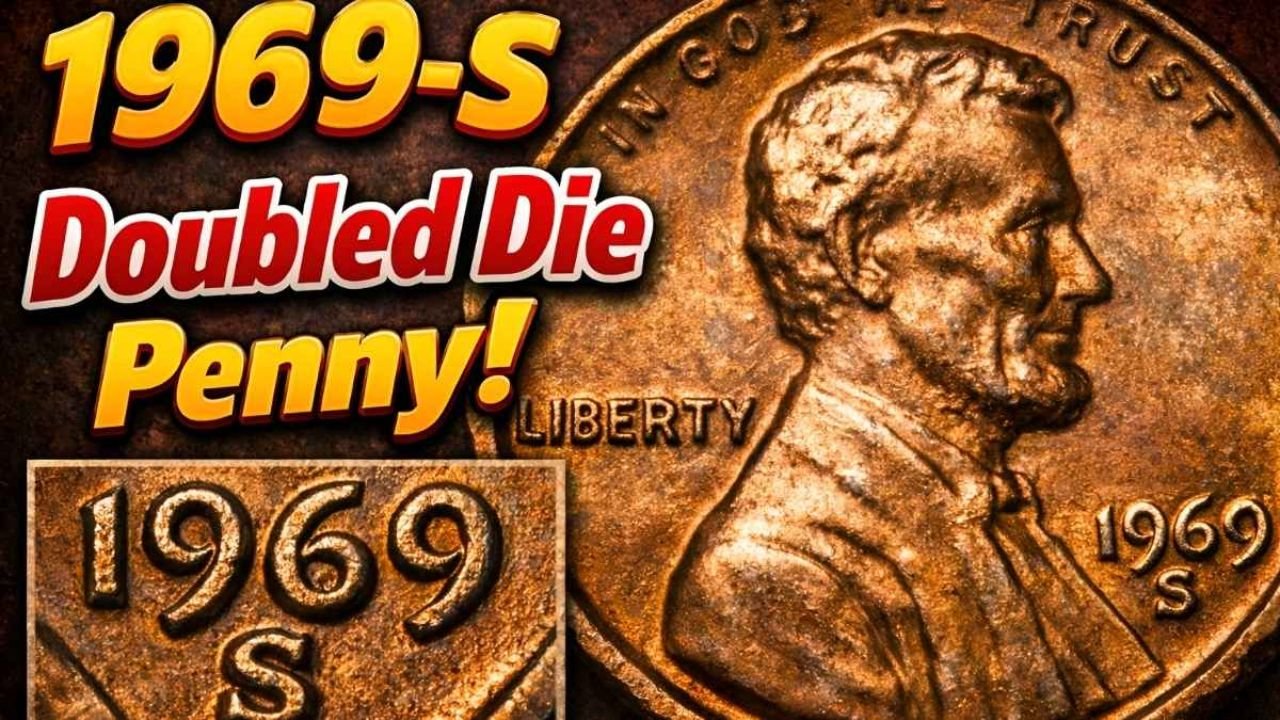
Few coins in American numismatic history generate as much intrigue as the 1969-S Doubled Die Lincoln cent. Frequently surrounded by headlines claiming astronomical values — including speculative figures as high as $400 million — this remarkable error coin represents one of the most dramatic minting anomalies ever released into circulation.
While the nine-figure valuation is largely theoretical, the coin’s verified rarity and market performance have firmly secured its place among America’s most coveted collectibles. For serious collectors and alternative asset investors, the 1969-S Doubled Die Penny remains a symbol of rarity, craftsmanship, and market fascination.
The Origins of the Lincoln Cent
The Lincoln cent was first introduced in 1909 to commemorate the 100th anniversary of Abraham Lincoln’s birth. Designed by Victor David Brenner, it marked a milestone as the first U.S. circulating coin to feature a real historical figure rather than allegorical imagery.
By 1969, the coin was already a fixture of everyday commerce, produced in massive quantities by the United States Mint. Few could have imagined that a mechanical error at the San Francisco facility would create one of the most famous varieties in American coinage.
Understanding the Doubled Die Error
The 1969-S Doubled Die Penny was created during the hubbing process, when the design is impressed onto a working die. In this case, the die received multiple impressions that were slightly misaligned.
The result was bold, unmistakable doubling on the obverse (front) of the coin. The inscriptions “LIBERTY” and “IN GOD WE TRUST” display dramatic separation, clearly visible to the naked eye. Even the date shows pronounced doubling.
Unlike minor machine doubling, which is relatively common and less valuable, this is a true doubled die variety — a structural error in the die itself. Every coin struck from that die carried the same distinctive characteristics.
Early Confusion and Secret Service Involvement
When examples first surfaced, the doubling was so dramatic that authorities initially suspected counterfeiting. Some coins were reportedly confiscated before experts confirmed they were genuine mint errors.
This unusual chapter in the coin’s history added an extra layer of mystique. Surviving specimens became even more desirable, as many believe a number were lost or destroyed during the early confusion.
Today, fewer than 100 authenticated examples are widely believed to exist, making the 1969-S Doubled Die Penny exceptionally scarce.
Market Performance: What Is It Really Worth?
Despite sensational headlines suggesting a $400 million fortune, no single 1969-S Doubled Die Penny has sold anywhere near that figure.
High-grade certified examples, however, have achieved impressive results at major auctions conducted by firms such as Heritage Auctions and Stack’s Bowers Galleries.
Depending on condition:
- Circulated examples can range from $25,000 to $75,000
- Mint State specimens have exceeded $100,000
- Top-tier, near-perfect examples have reached well into six figures
The $400 million estimate is often framed as a hypothetical combined valuation — imagining the aggregate worth of all surviving coins, or the discovery of an untouched hoard in pristine condition. While intriguing, such projections remain speculative.
Why Collectors Prize the 1969-S Doubled Die
Several factors elevate this coin beyond ordinary error varieties.
Dramatic Visual Impact
The doubling is bold and unmistakable, making it instantly recognizable even to non-experts. This visual clarity enhances demand.
Extreme Rarity
With a very limited known population, supply remains tightly constrained. Scarcity drives long-term value stability.
Historical Narrative
The early confiscations, authentication debates, and dramatic discovery stories add depth to its appeal.
Registry Competition
High-net-worth collectors competing for top-graded examples further intensify demand, particularly in today’s digitally connected global marketplace.
How to Identify a Genuine 1969-S Doubled Die Penny
Because of its value, this coin has been heavily counterfeited. Proper identification is essential.
Key Characteristics
- Strong doubling on “LIBERTY”
- Clear separation in “IN GOD WE TRUST”
- Distinct doubling in the date
- An “S” mint mark below the date
Importantly, the mint mark itself is not doubled. Many counterfeits show doubling on the mint mark, which is incorrect for genuine examples.
Authentication Is Critical
Professional grading and certification from recognized services protect buyers and sellers alike. Authentication confirms:
- The coin is a true doubled die
- It has not been altered
- Its condition and grade
Without certification, resale value drops significantly.
The $400 Million Narrative Explained
So where does the $400 million claim originate?
In many discussions, the figure represents a hypothetical scenario: If dozens of pristine, uncirculated specimens were discovered and collectively sold at record prices, the combined market value could theoretically approach extraordinary levels.
However, no verified individual sale supports such a valuation. For sophisticated investors, separating fact from speculation is essential.
The true appeal of the 1969-S Doubled Die Penny lies not in exaggerated headlines but in its documented rarity and strong six-figure auction history.
The Broader Impact on the Rare Coin Market
High-profile error coins generate renewed enthusiasm for numismatics as an alternative asset class. In 2026, rare coins continue to attract investors seeking:
- Tangible diversification
- Historical significance
- Limited supply dynamics
- Global buyer liquidity
Modern technology has also strengthened market transparency, with digital auction platforms and population reports providing real-time data.
The 1969-S Doubled Die remains one of the cornerstone examples that validate serious interest in error coin investing.
A Cultural Symbol of Imperfection Turned Treasure
Beyond financial value, the coin carries symbolic weight. It demonstrates how a production mistake — something typically discarded — can evolve into a prized collectible.
For many collectors, the pursuit is not purely financial. It reflects curiosity, persistence, and appreciation for historical craftsmanship.
Even more than five decades after its accidental creation, the coin continues to spark imagination and ambition.
Final Perspective
The 1969-S Doubled Die Penny stands among the most important modern error coins ever produced. While a $400 million valuation remains speculative, authenticated examples consistently command significant six-figure prices.
Its rarity, dramatic appearance, and unique backstory ensure enduring demand among collectors and investors alike.
For those searching through inherited collections or old coin jars, the odds are long — but the possibility keeps the passion alive. In the world of numismatics, history and opportunity sometimes arrive in the smallest denominations.